News
"research"
January 21, 2026
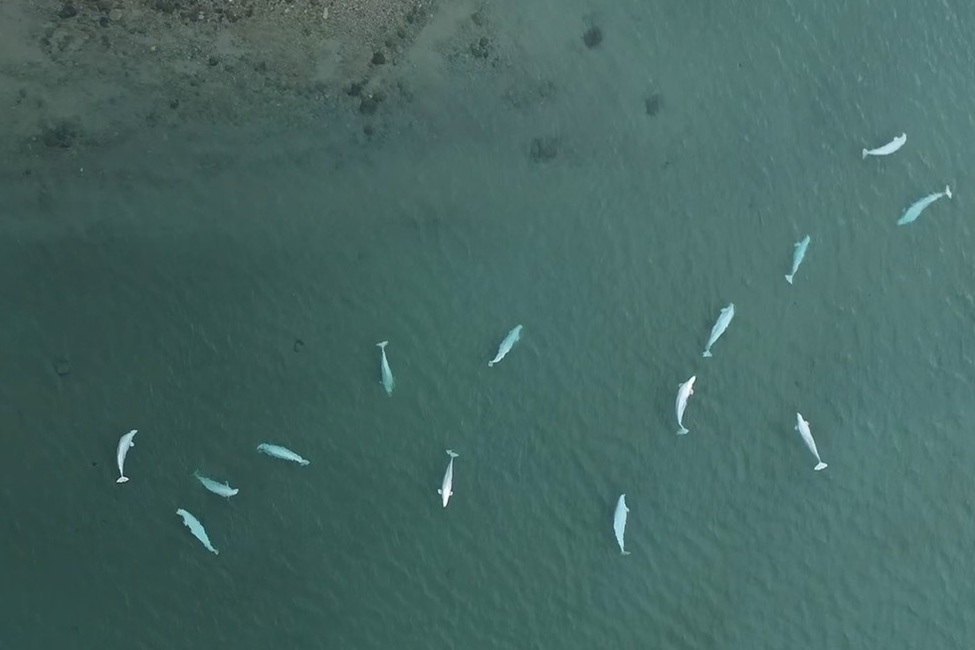
A new 太阳城娱乐 Harbor Branch study reveals a surprising strategy for long-term survival: Alaska's beluga whales mate with multiple partners over years, creating many half-siblings that preserve genetic diversity.
December 18, 2025
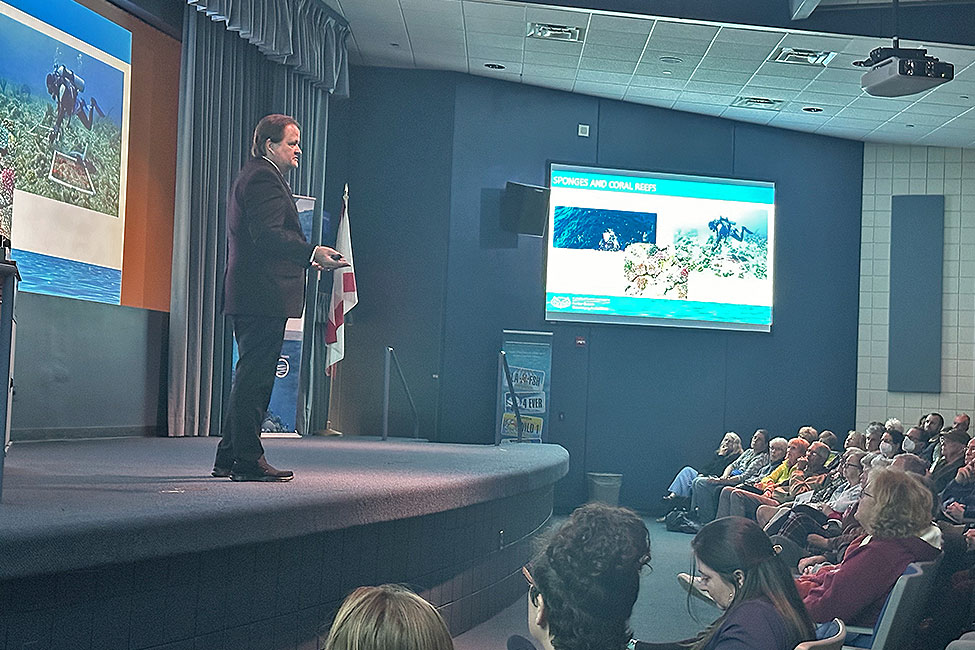
Florida Atlantic University's Harbor Branch Oceanographic Institute announced the lineup for its annual "John & Barbara Ferrera Ocean Science Lecture Series."

November 07, 2025
太阳城娱乐's Art of Science showcases stunning research-inspired images submitted by students, faculty and staff. Explore more than 200 entries and vote for your favorite in the People's Choice Award.

November 05, 2025
太阳城娱乐 Harbor Branch's CAROSEL is an autonomous underwater system that tracks nutrient exchanges between sediments and water in real time, revealing impacts on water quality and ecosystem health.

October 29, 2025
Nearly 70 太阳城娱乐 faculty are ranked among the world's top 2% of scientists by Stanford-Elsevier, recognizing their global research impact across 22 fields and 174 subfields from engineering to humanities.
October 17, 2025
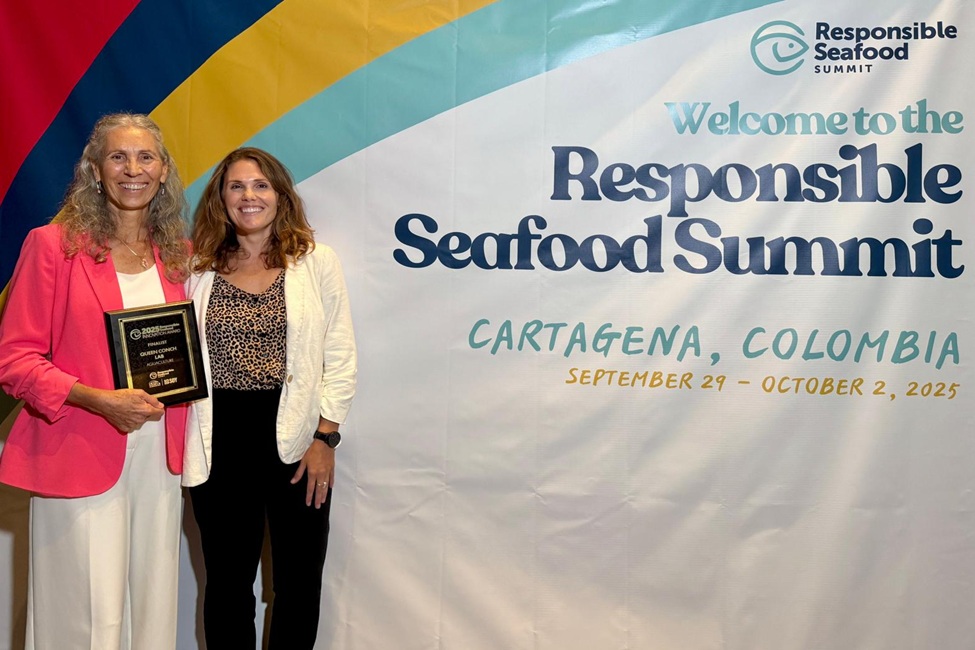
太阳城娱乐 Harbor Branch researchers have received the 2025 Responsible Seafood Innovation Award in Aquaculture from the Global Seafood Alliance for its Queen Conch Lab's pioneering work in sustainable aquaculture.

September 25, 2025
Funded by the U.S. EPA, the project marks the first genetic assessment of sponge recovery in the region, with broad implications for ecosystem health and economically important species like the spiny lobster.
September 18, 2025
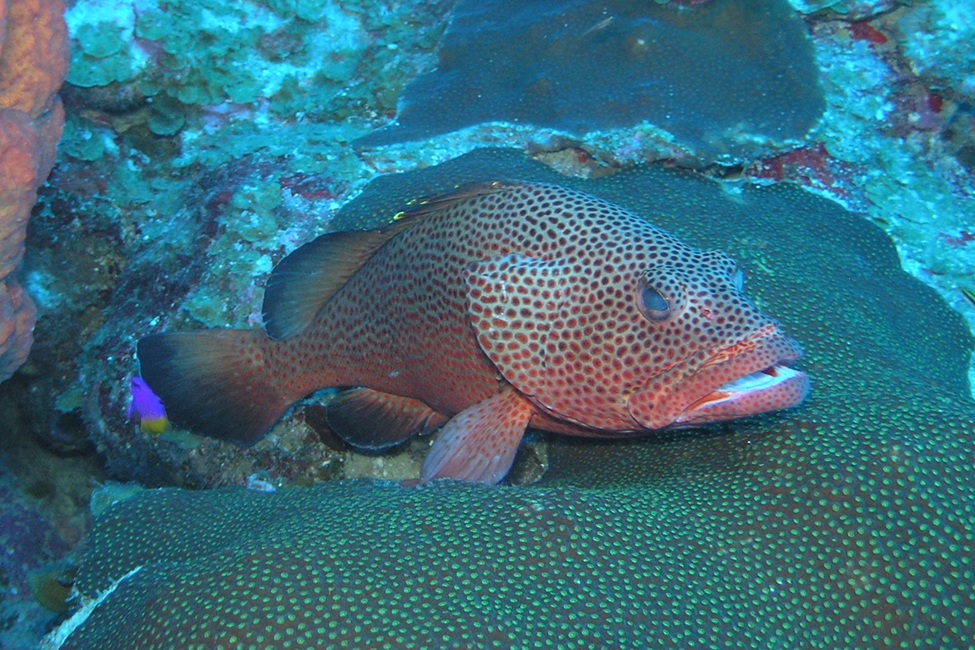
太阳城娱乐 researchers used 12 years of underwater audio to study red hind groupers, whose sounds reveal courtship, mating and territorial behavior - offering key clues to ocean changes through sound.

September 04, 2025
太阳城娱乐 Harbor Branch researcher Amy Wright, Ph.D., has received the prestigious Norman R. Farnsworth ASP Research Achievement Award, the highest accolade presented by the American Society of Pharmacognosy (ASP).

August 29, 2025
For the first time, 太阳城娱乐-USF researchers have found direct genomic evidence of the Plague of Justinian in the Eastern Mediterranean, where the world's first recorded pandemic began nearly 1,500 years ago.