
Novel 太阳城娱乐 Technology for Self-driving Cars Earns Second U.S. Patent
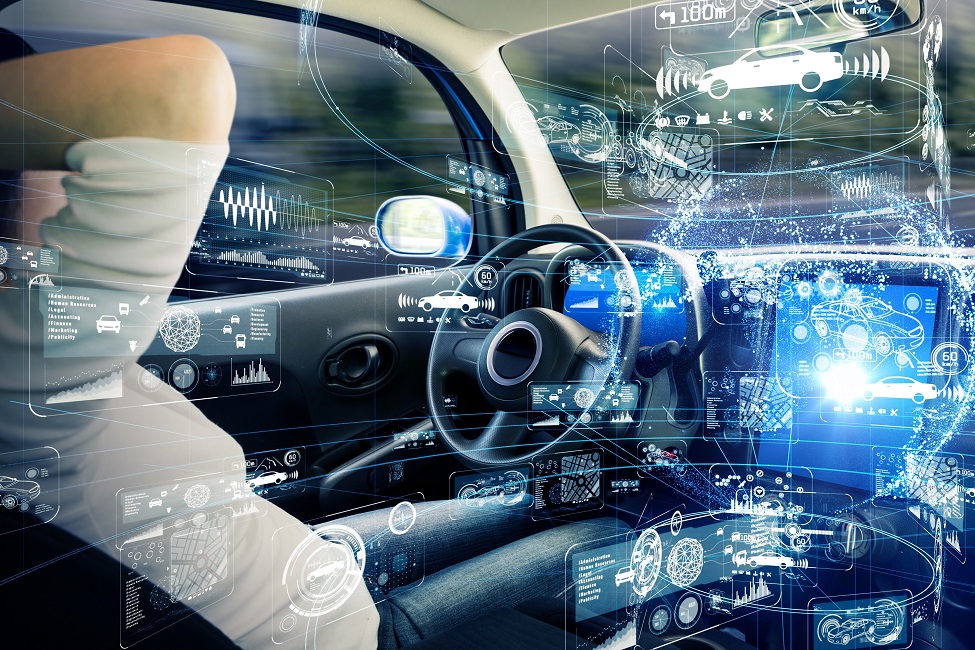
The new technology provides a convenient, pleasant and more importantly, trustworthy experience for humans who interact with autonomous vehicles.
A new technology for autonomous systems for self-driving cars based on machine-learning and artificial intelligence to mimic human driving behavior has earned a second competitive utility patent from the United States Patent and Trademark Office. The earlier patent, titled “Adaptive Mood Control in Semi or Fully Autonomous Vehicles,” allows an autonomous vehicle to be responsive to its passenger’s emotional state.
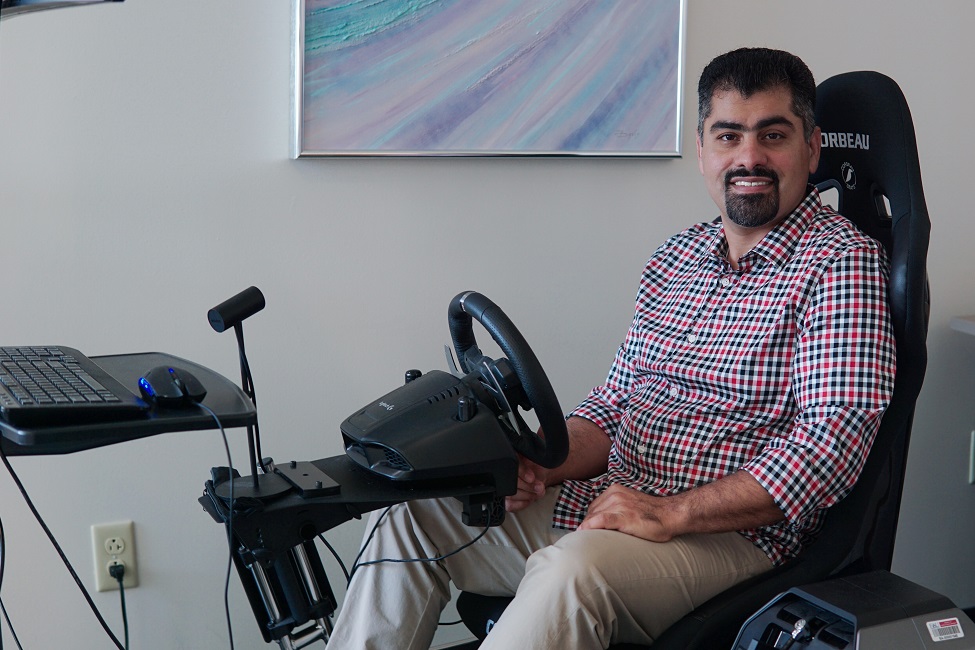
Developed by Florida Atlantic University’s Mehrdad Nojoumian, Ph.D., inventor, associate professor in the Department of Electrical Engineering and Computer Science , and director of the Privacy, Security and Trust in Autonomy Lab within the College of Engineering and Computer Science, “Adaptive Driving Mode in Semi or Full Autonomous Vehicles” provides a convenient, pleasant and more importantly, trustworthy experience for humans who interact with autonomous vehicles.
“Although semi or fully autonomous vehicles are becoming a reality in our life, many people still like to drive and be able to switch back and forth between self-driving and human-driving modes. In addition, people feel more comfortable if they observe that the car has a driving style similar to their own driving style or a specific person's driving style when it is in the self-driving mode,” said Nojoumian. “What makes this invention so unique is the ability for a car or a set of vehicles to collaboratively learn the driving style of each individual by using machine learning and artificial intelligence and then replicating that driving behavior when it’s in the autonomous driving mode. Passengers will be able to select their own driving style or that of another person such as their partner, in the autonomous mode.”
Adaptive Driving Mode can be used in a wide range of autonomous systems, including self-driving cars, autonomous military vehicles, and autonomous public transport systems.
The patent utilizes sensors and electronic devices to learn the driving styles of the drivers when the car is in the semi-autonomous mode or human-driving mode. Additionally, the adaptive driving mode system contains real-time machine-learning mechanisms that can continue to learn the driver’s driving style over time and even exchange this information with other vehicles that a specific person drives.The profiles of the driving styles can then be used in the car allowing the vehicle to mimic different driving styles when the car is in the semi or fully autonomous mode.
“This important discovery by professor Nojoumian highlights the necessity and urgency of developing new technologies by which a semi or fully autonomous vehicle first learns and then mimics the way that a specific driver controls the same vehicle in a non-autonomous mode,” said Stella Batalama, Ph.D., dean, College of Engineering and Computer Science. “This cutting-edge technology can lead to a convenient, pleasant and trustworthy experience, when it is in the self-driving mode, for the driver and passengers who get used to that specific driving style and addresses many issues and concerns related to semi or fully autonomous vehicles.”
-太阳城娱乐-
Tags: engineering | technology | research | faculty and staff